

Solar energy is no longer a speculative technology of the future; it is a present-day force reshaping global economies, energy security strategies, and climate responses. From advanced materials such as photovoltaic windows to multi-gigawatt solar parks powering entire regions, nations are advancing solar innovation at vastly different speeds and scales. A comparison across China, the United States, Australia, Canada, India, and emerging economies reveals not only who leads, but how leadership in solar is defined.

China stands at the forefront of global solar progress, distinguished by its ability to commercialize innovation at unprecedented speed. Recent breakthroughs in transparent photovoltaic windows, capable of significantly reducing building energy consumption while generating electricity, highlight China’s focus on urban integration. More importantly, these technologies are not confined to laboratories; they are rapidly deployed across real infrastructure. With installed solar capacity exceeding one terawatt, China sets the global benchmark for scale, execution, and industrial coordination.
The United States follows a different trajectory, excelling in foundational research rather than uniform deployment. American institutions continue to lead in advanced solar materials, including perovskite and tandem cells, and many early photovoltaic window concepts originated in U.S. laboratories. However, fragmented policy frameworks and grid constraints have slowed nationwide scaling, creating a gap between innovation potential and on-the-ground impact.
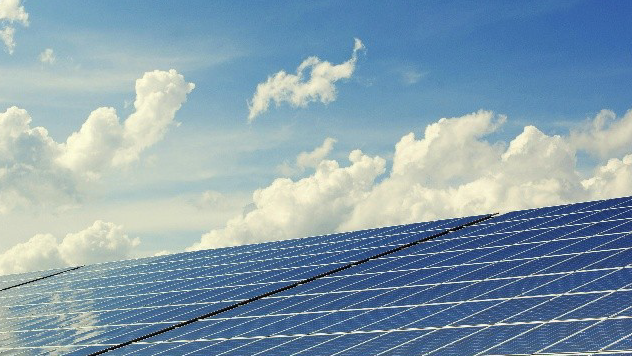
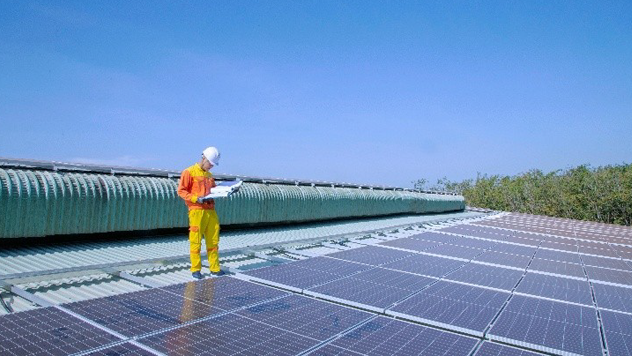
Australia demonstrates how solar can thrive through density and system integration. With one of the highest rates of residential solar adoption in the world, Australia has normalized rooftop generation while simultaneously pioneering grid-scale batteries and ambitious solar export concepts. Its success lies less in panel efficiency and more in holistic energy system design.
India represents perhaps the most compelling solar narrative of the past decade. Expanding from negligible capacity to well over 125 gigawatts, India has embraced solar as a development tool, deploying massive solar parks, accelerating rooftop adoption, and integrating solar into agriculture through irrigation systems. Its growing investment in domestic manufacturing signals a long-term strategic commitment.
Across parts of Africa, countries such as Botswana and Malawi illustrate solar’s transformative power in emerging economies, where utility-scale projects directly expand energy access and displace diesel dependence.
Ultimately, modern solar leadership is no longer defined solely by technological novelty, but by the ability to deploy, integrate, and scale solutions within real social and economic systems. From skyscraper windows to desert megaprojects, solar energy has become a global equalizer—adaptable, scalable, and central to the world’s energy future.

Copyright © 2025 Cashthesun.com. All Rights Reserved.